
Services

Solar Panels & Components Recycling

Solar Batteries Recycling
Solar Panels Decommission Planning
Solar Panels & Components Recycling
Solar Batteries Recycling
Solar Panels Decommission Planning
Proper planning for the decommissioning of solar panels is crucial due to its potential impact on the environment and the need to comply with state and government regulations.
The decommissioning of solar panels involves the systematic and environmentally responsible removal and disposal of solar photovoltaic (PV) systems that have reached the end of their operational life or are no longer economically viable. Here is a general overview of the process:
- **Assessment and Planning:**
– Evaluate the condition of the solar panels, inverters, and other associated components.
– Consider environmental and safety regulations and standards.
– Develop a decommissioning plan that outlines the entire process. - **Disconnecting Electrical Components:**
– Safely disconnect the solar panels from the electrical grid to ensure worker safety.
– Disconnect and isolate inverters, batteries, and other electrical components. - **Removal of Solar Panels:**
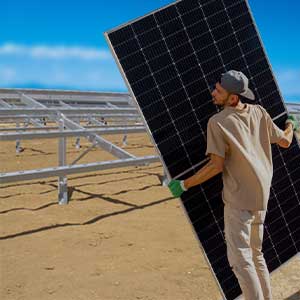
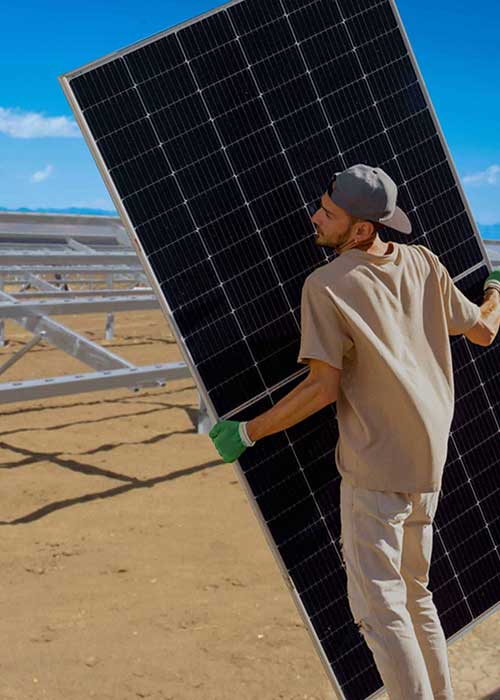
– Carefully uninstall solar panels from their mounting structures or support systems.
– Handle the panels with care to avoid breakage and minimize the risk of environmental contamination. - **Transportation:**
– Transport the removed solar panels to a designated facility for recycling or proper disposal.
– Consider transportation logistics and environmental impact during the transportation process. - **Material Separation:**
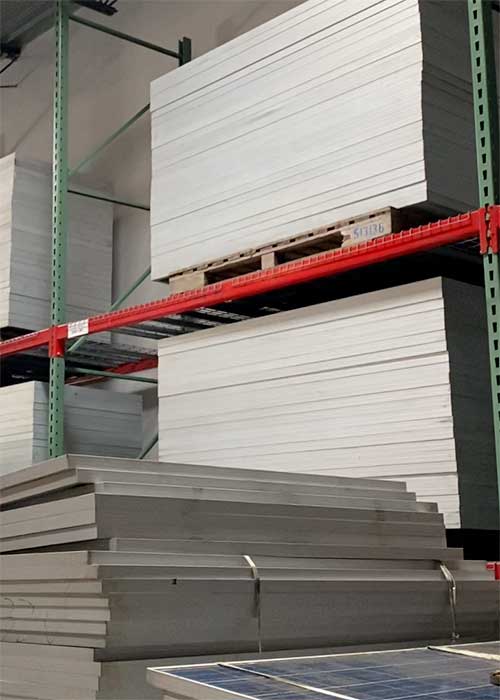
– Separate different materials, such as glass, metal, and semiconductor materials, from the solar panels.
– Some components, like silicon wafers, aluminum frames, and copper wiring, can be recycled. - **Recycling:**
– Send recyclable materials to appropriate recycling facilities.
– Recycling helps recover valuable resources and reduces the environmental impact of the decommissioning process. - **Proper Disposal of Non-Recyclable Components:**
– Dispose of non-recyclable components in accordance with local environmental regulations.
– Address hazardous materials properly, such as lead from solder or other toxic substances. - **Documentation and Reporting:**
– Maintain detailed records of the decommissioning process, including the quantity and type of materials recycled or disposed of.
– Provide documentation to relevant regulatory bodies as required. - **Site Restoration:**
– Restore the site to its original condition or as per the landowner’s agreement.
– This may involve removing infrastructure like mounting structures and restoring the landscape. - **Compliance and Certification:**
– Ensure that the decommissioning process complies with local and national regulations.
– Obtain any necessary certifications or approvals for the completed decommissioning project. - **Communication:**
– Communicate with stakeholders, including local communities and authorities, to keep them informed about the decommissioning process.
It’s important to note that the decommissioning process should be conducted with a focus on sustainability, minimizing environmental impact, and adhering to relevant regulations to ensure a responsible end-of-life management for solar panels.
PV recycling will make sure that your company can demonstrate its commitment to sustainable and ethical business practices.